
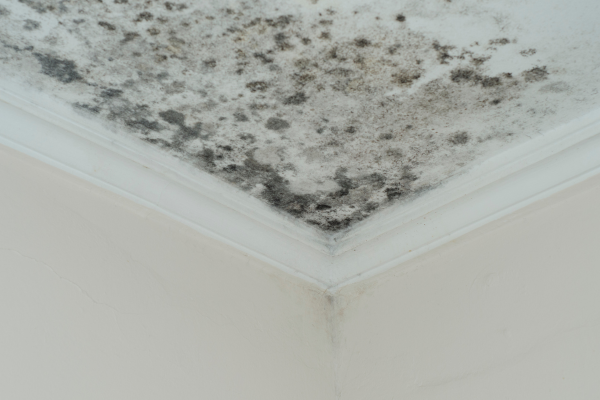
Mold is one of the most dangerous and costly hidden threats a property can face. While visible mold is easy to spot, invisible mold can grow silently behind walls, under flooring, or inside air ducts—causing serious damage long before it’s discovered.
In this article, we’ll uncover the warning signs of hidden mold, explain its effects on your health and property, and show you how a licensed Public Adjuster can help you file a successful mold damage insurance claim.
What Is Invisible Mold?
Mold is a microscopic fungus that thrives in damp, dark environments. It spreads quickly and often hides in:
Wall cavities
- Ceilings and attics
- HVAC systems and air ducts
- Under carpet or hardwood floors
- Basements and poorly ventilated areas
The problem? Most homeowners don’t realize it’s there until it causes major damage or health issues
7 Silent Signs You Might Have Hidden Mold
1. Persistent Musty Odor
If your home smells damp or “earthy” even after cleaning, it’s a strong indicator of mold growing out of sight.
2. Frequent Allergies or Respiratory Issues
Sneezing, coughing, itchy eyes, fatigue, or worsened asthma symptoms could be caused by airborne mold spores.
3. Wall or Ceiling Stains
Yellowish or brown stains no matter how small can indicate ongoing moisture behind surfaces, creating the perfect breeding ground for mold.
4. Peeling or Bubbling Paint
Moisture trapped inside walls causes the paint to bubble or peel. This is often a sign of mold lurking behind the drywall.
5. Excess Condensation on Windows or Walls
Constant humidity and condensation are warning signs of poor ventilation—ideal conditions for mold growth.
6. HVAC Odors or Noises
If your air conditioning smells moldy or sounds unusual, mold could be thriving inside the ducts and spreading spores throughout your home.
7. Past Water Damage Not Fully Remediated
Previous flooding, roof leaks, or burst pipes even if “fixed” can leave moisture behind, leading to mold over time
Does Homeowners Insurance Cover Mold?
Yes… but only under certain conditions.
Most standard policies only cover mold if it’s the direct result of a covered peril, such as:
- A sudden pipe burst
- Storm or hurricane damage
- Accidental water leaks
However, mold caused by poor maintenance, gradual leaks, or neglect is typically not covered unless you know how to present your claim properly.
That’s where a Public Adjuster becomes your greatest asset.
How a Public Adjuster Can Help You File a Mold Claim
A Public Adjuster is a licensed professional who works on your behalf, not for the insurance company.
If your mold claim has been denied, delayed, or underpaid, a Public Adjuster can:
- Assess the cause of the mold to determine if it’s covered
- Inspect your property thoroughly with restoration experts
- Prepare and file your insurance claim with full documentation
- Negotiate directly with your insurance company to maximize payout
Don’t Ignore the Signs: Act Before It’s Too Late
Hidden mold not only destroys your home it also impacts your health. If you or your family are experiencing unexplained symptoms or you’ve noticed any of the signs above, do not delay.
Time is critical. Mold spreads fast and can lead to serious structural damage and costly repairs.
Schedule Your Free Mold Damage Inspection
Suspect mold in your home?
We’ll inspect your property, assess your insurance coverage, and help you file a powerful claim so you don’t leave money on the table.
👉 Book your FREE inspection now:
https://api.leadconnectorhq.com/widget/bookings/freehomeinspections
No cost. No obligation. Available 24/7 for urgent cases.