
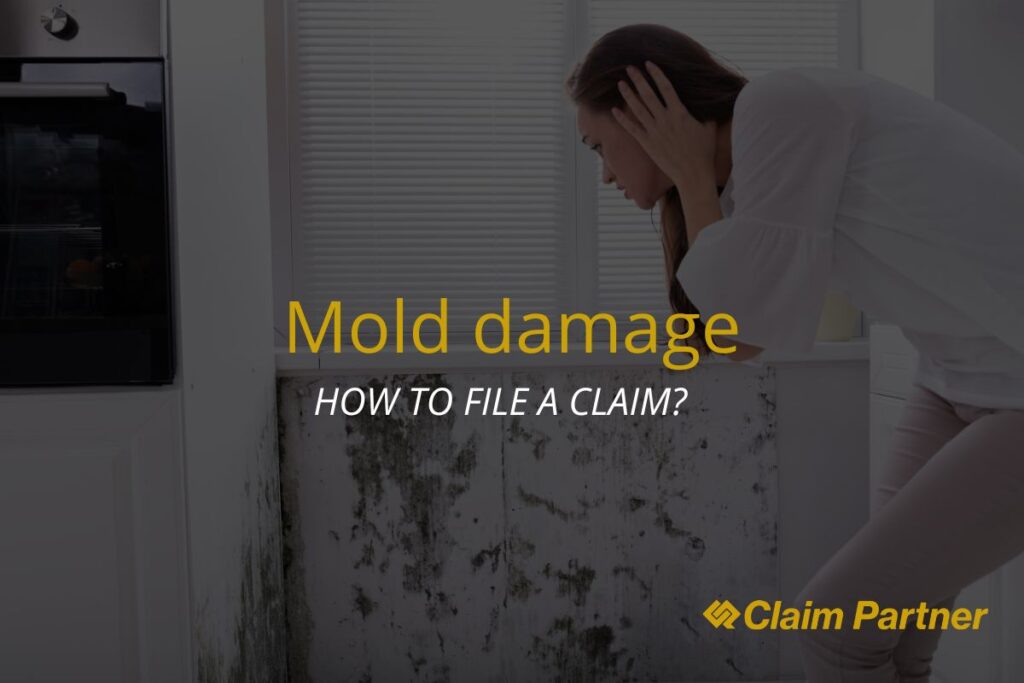
Mold claims can be some of the most complicated when it comes to enforcing your home insurance policy. Although mold poses a real risk to the health and structure of your property, many policies exclude it or impose strict conditions for coverage.
Therefore, knowing how to properly document the damage is key to getting a favorable response from your insurer.
Step 1: Act quickly at the first sign of mold
Mold grows quickly in humid environments (and even more so in Florida). If you notice stains, a bad smell, or have a history of leaks, begin the documentation process as soon as possible. Delaying can be used against you by the insurance company, who may allege negligence.
Step 2: Take clear and detailed visual evidence
Take photographs and record videos of all affected areas, from different angles and with good lighting. Be sure to include damaged objects, walls, ceilings, floors, and any visible signs of mold.
Do this before cleaning or moving anything. This evidence is essential to support your mold claim.
Step 3: Keep a record of what happened
Make a list of the damage and when you noticed the problem. Describe how it happened (e.g., after a leak, flood, or storm) and detail any mitigation attempts. This log will serve as backup to show that you acted in a timely manner.
Step 4: Request a professional inspection
Having a report from a remediation expert or public adjuster can make all the difference. They will know how to identify hidden damage and draft a technical report to support your claim.
Why is it important to document correctly?
Mold is a silent enemy. It often takes hold without being detected, and by the time you notice it, it has already caused structural or health damage.
In our article “Invisible mold: the signs that homeowners often ignore,” we explain how to identify it early on.
How to document damage step by step
- Take detailed photos and videos before cleaning or moving objects.
- Keep contaminated samples, if possible, in sealed bags.
- Keep all receipts: inspection, cleaning, remediation, temporary lodging.
- Request a professional inspection and keep the report.
- Record every conversation with your insurance company.
FEMA offers a helpful guide on how to document damage after disasters. You can find it here.
Why can mold claims be complicated?
Many insurance companies limit mold coverage or make it conditional on specific events, such as an accidental and sudden leak. Others exclude this type of damage entirely.
Furthermore, they can argue that the mold was caused by a lack of maintenance, so the burden of proof falls on the owner.
Therefore, a mold claim must be well documented and advised from the outset.
Where does a Public Adjuster come in?
A public adjuster can help you:
- Determine whether your policy covers mold damage.
- Properly document each type of damage.
- Negotiate with the insurance company so that you receive fair compensation.
At The Claim Partner, we accompany you from the very beginning so that you don’t have to face this process alone and can avoid costly mistakes.
Article that may interest you: Can a house with mold be saved?
Don’t underestimate the impact of mold. Acting quickly, preserving evidence, and seeking professional support can facilitate an effective claim. If you need help reviewing your coverage or initiating your mold claim, our team at The Claim Partner is ready to support you.