
Mold in your home is not just an aesthetic problem or a source of unpleasant odors. It is a real threat to your family’s health and to the structure of your property. In many cases, it can go unnoticed for months or even years, until it has already caused considerable damage.
But how serious can it get? Can a house with mold be saved?
What is mold and why does it occur?
It is a type of microscopic fungus that reproduces through spores and grows in humid, dark, and poorly ventilated environments. Although it exists naturally in the environment, when it finds ideal conditions inside a home, it can spread rapidly.
That is why in areas such as Florida, where humidity and rainfall are constant, homes are particularly exposed. It usually appears as a result of leaks, flooding, plumbing problems, or simply a lack of ventilation.
How can you tell if you have mold in your home?
Sometimes it’s obvious: black or greenish stains on walls, ceilings, bathrooms, or basements. Other times, the only clue may be a persistent musty odor or health symptoms such as coughing, allergies, or eye irritation.
Here are some key signs:
Dark spots in corners, on ceilings, or behind furniture, especially if you have objects leaning against the walls.
A musty smell that doesn’t go away no matter how much you clean and ventilate.
A feeling of heavy or stuffy air, even your clothes and hair become impregnated with it.
Worsening respiratory problems at home, skin rashes may also appear.
If you detect any of these symptoms, it is very likely that you have mold in your home, even if you can’t see it with the naked eye.
Most common types of mold in homes
Not all are the same. Some are relatively harmless, but others are highly toxic. These are the most common:
- Cladosporium
It appears on wood, textiles, and in bathrooms. It is dark and can cause irritation.
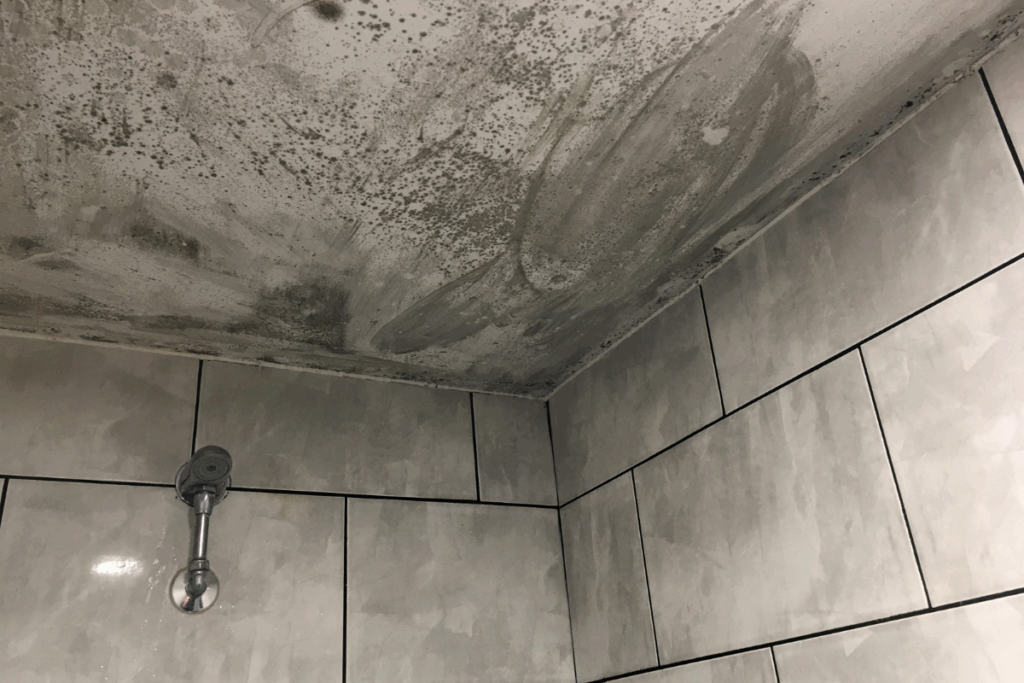
- Penicillium
Found in carpets, wallpaper, and materials with standing water.
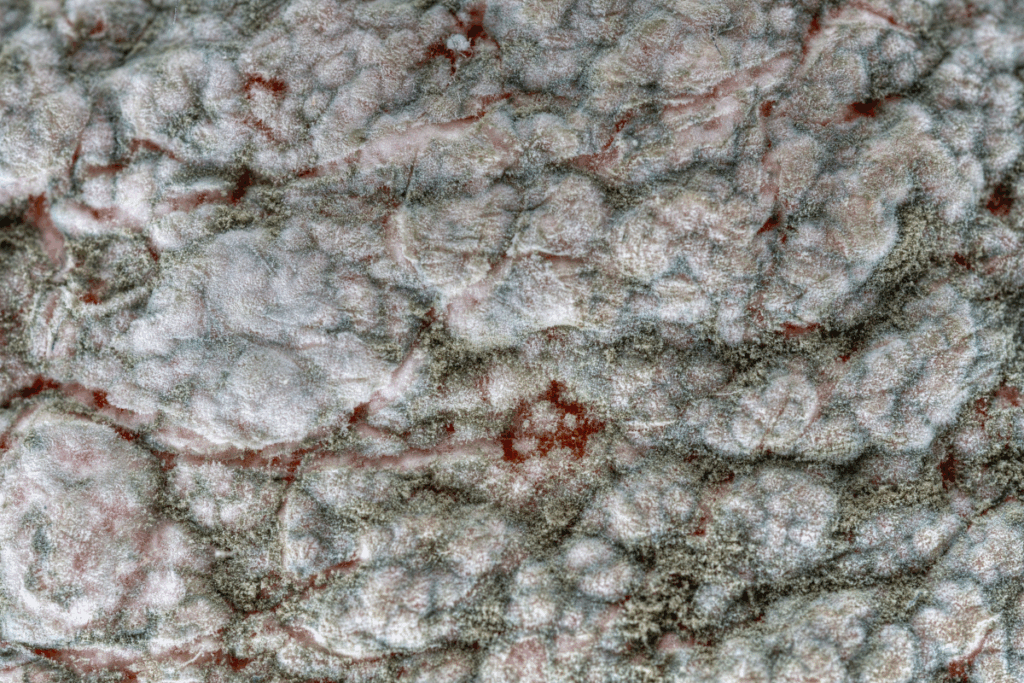
- Aspergillus
One of the most common indoor molds, it can trigger lung problems
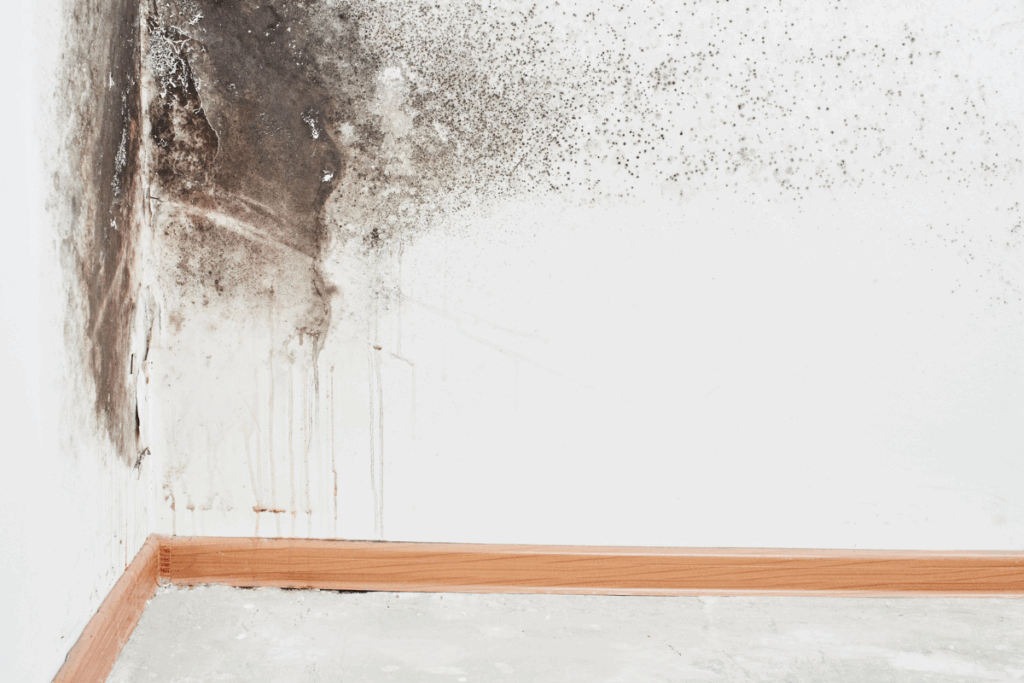
- Stachybotrys
Also known as “toxic black mold,” it is the most dangerous type. It grows on materials with high cellulose content, such as drywall or wood.
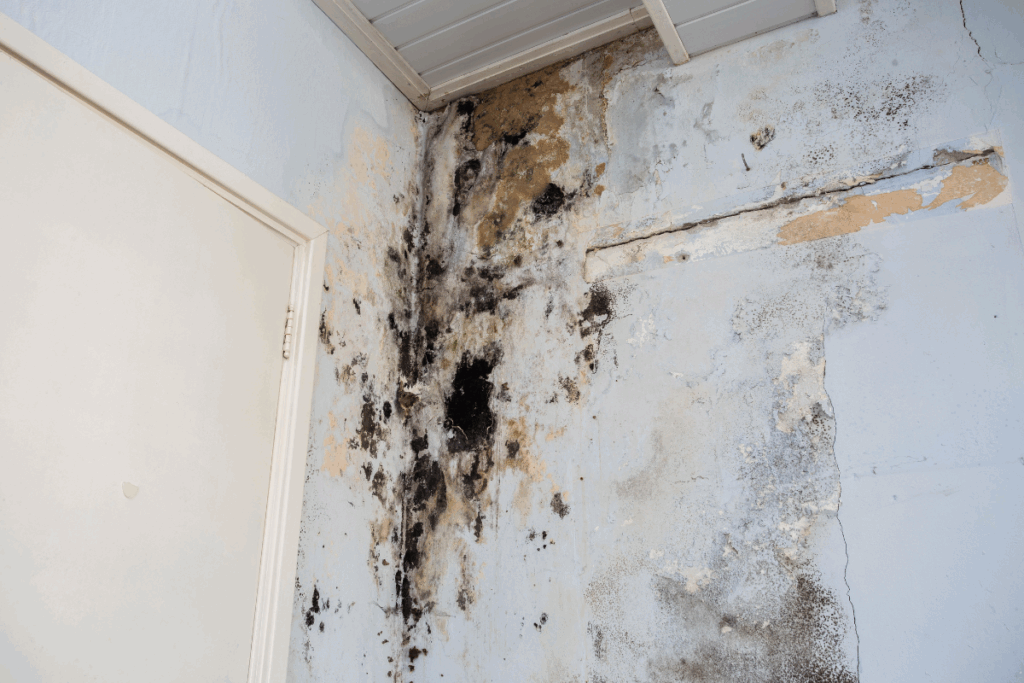
Can a house with mold be saved?
Yes. A house with mold can be saved, but it all depends on how quickly you act and the severity of the damage. The longer you wait, the more the fungus spreads and the more expensive the remediation process will be.
If mold has invaded walls, structures, electrical or ventilation systems, it is necessary to call in remediation specialists. But all is not lost: with the right treatment, many properties can be completely restored.
What should you do if you find mold in your home?
- Do not attempt to clean it yourself if the damage is extensive. Many household products do not eliminate it, they only spread it.
- You should notify your insurance company, as mold may be covered if it is the result of sudden damage such as a leak or flood.
This is where we come in.
At The Claim Partner, we help you:
- Assess the damage caused by mold in your home.
- Determine whether your insurance should cover the remediation.
- Prepare and submit your claim correctly.
- Negotiate with the insurance company to ensure you receive fair compensation.
- Accompany you throughout the process, with no upfront costs.
You don’t have to face this alone. We know the process, understand the policies, and work to defend your rights.
Mold: a silent killer
Then it happens: when you realize it, you already have mold in your home. You don’t see it coming, but it spreads quickly. It destroys materials, pollutes the air, and affects your health. The worst part is that it often hides where you can’t see it, until it’s too late.
If you suspect you have mold, take action today.
That’s why it’s important to have an inspection done. Call an expert. And if you need to file a claim, let us represent you.
Contact us or download our app to begin the process.
In conclusion: Your home can be saved. But only if you act in time.