
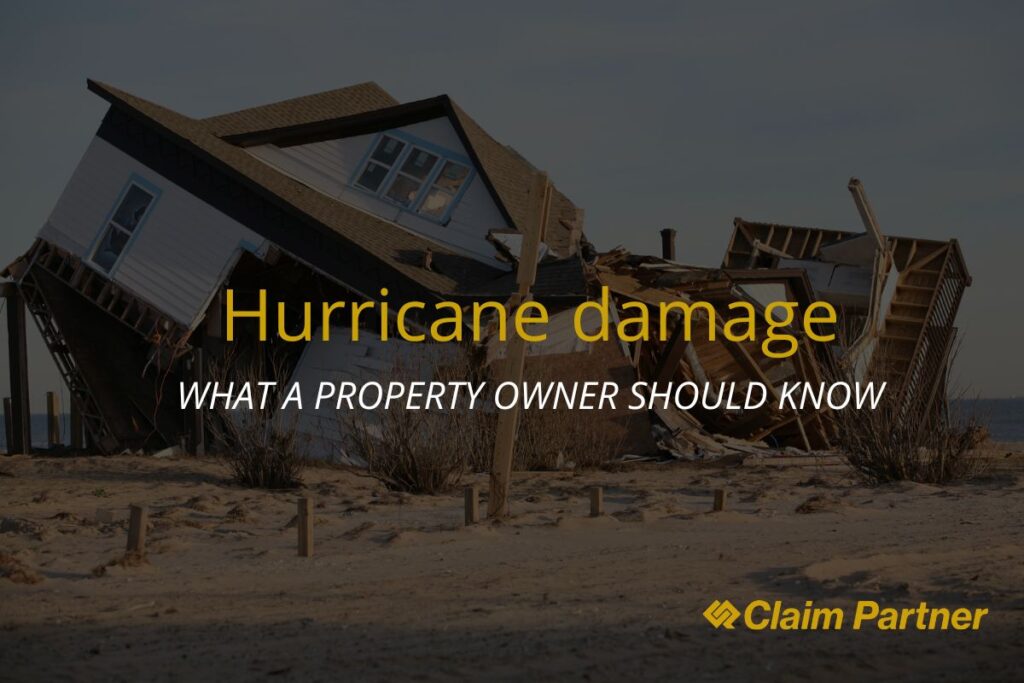
What we experienced in 2024 taught us many lessons. It ended with one of the most destructive hurricane seasons in recent history in Florida and the Caribbean.
Storms such as Helene, Milton, and Debby left millions without power, caused catastrophic damage to homes and infrastructure, and claimed hundreds of lives. Hurricane Helene alone caused at least 232 deaths in six states, making it one of the deadliest since Katrina.
Today, all eyes are on the 2025 hurricane season, and experts warn that it could be even more active.
What are experts predicting for the 2025 hurricane season?
Colorado State University anticipates 17 named storms, at least 9 of which could become hurricanes, and 4 could be category 3 or higher.
This scenario is no coincidence.
Due to abnormally warm ocean temperatures and the arrival of La Niña, conditions are ripe for an intense season.
According to CNN en Español, the Atlantic is experiencing record temperatures, which favors more powerful cyclones.
In addition, experts are already discussing the need to create a Category 6 for hurricanes with winds exceeding 310 km/h.
This reflects the level of force we could face this year.
How to protect your property?
Preparing your home not only prevents damage, but can also make the difference between a partial and a total loss.
But it’s not just about having an emergency kit.
It’s also key to reinforce windows, check the roof, secure outdoor objects, and clean drains.
However, many people forget to update their insurance or review their coverage.
That’s a common mistake that can cost you a lot more after a storm.
- Check your roof and walls: reinforce vulnerable areas and repair any previous damage.
- Install window and door protections: impact panels or shutters can make a difference.
- Clean drains and gutters: prevent water accumulation that can cause leaks or collapses.
- Remove objects from outside: patio furniture, plant pots, and tools can become projectiles.
- Prepare an evacuation plan and an emergency kit: include food, water, medicine, flashlights, batteries, important documents, and emergency contacts.
Do you have home insurance or are you about to take out a policy? This is key.
A good insurance policy not only protects your home, it also gives you peace of mind. But many people discover its limitations when it’s too late. If you are reviewing your coverage or looking to purchase a policy, consider the following:
- Does it include flood coverage? Most basic insurance policies do not cover this. You will need an additional policy.
- Are you insured for replacement cost or actual cash value? This can affect the amount you receive.
- Check your hurricane deductible: in Florida, it is usually higher than for other types of coverage.
- Make an inventory of your belongings: keep receipts, take photos, and keep digital copies. This will make any claims easier.
What happens if your home is damaged? This is where we come in.
At The Claim Partner, we understand the stress of dealing with a natural disaster and having to deal with your insurance company. Our job is to represent you and help you claim what you are entitled to.
We are licensed public adjusters. We don’t work for the insurance company. We work for you.
Here’s what we do:
- We thoroughly inspect the damage at no initial cost.
- We document your case, including visual evidence and technical analysis.
- We prepare and submit your claim correctly and completely.
- We negotiate directly with the insurance company to maximize your compensation.
- We accompany you every step of the way, from the accident to the final payment.
And our promise: we only charge if you receive money. No upfront fees. No fine print..
The season is underway. Don’t put it off until later.
Experts have already warned us: 2025 will be a year of intense storms, stronger hurricanes, and potentially greater damage. The difference between a protected homeowner and one in crisis lies in preparation and support.
At The Claim Partner, we are ready to help you.
Schedule a free inspection today or try our app to start your process.
Your home doesn’t have to face it alone. Neither do you.
Without adequate coverage, a significant portion of the damage could be left unprotected.