
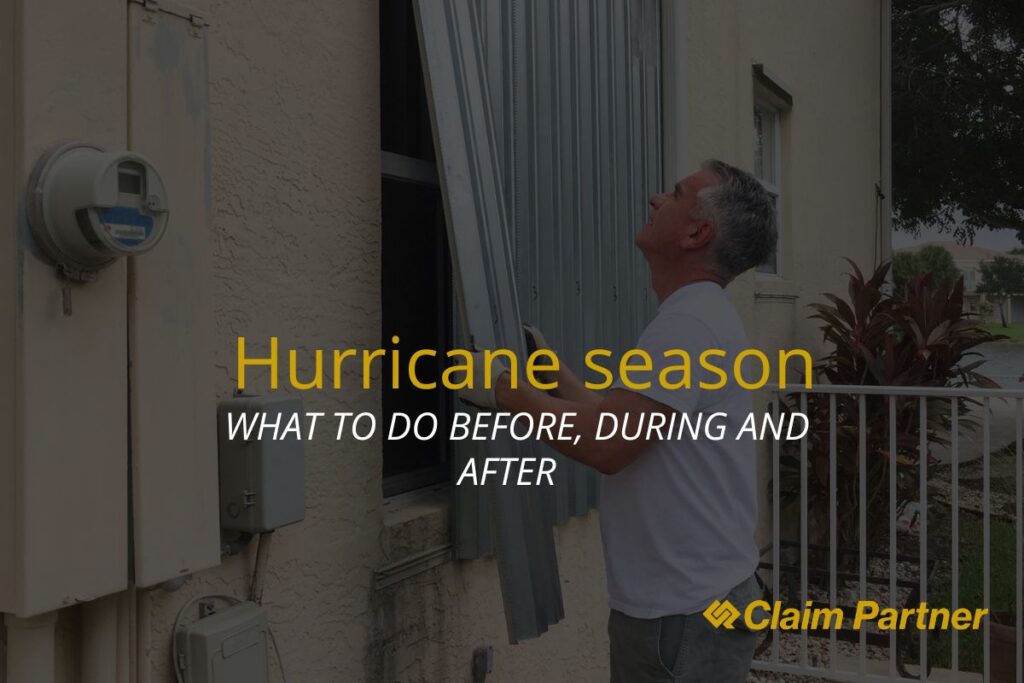
What to do during a hurricane is one of the most important questions you can ask yourself if you live in Florida. When a hurricane approaches, the greatest fear is not losing your possessions, but losing the safety of your loved ones.
And if you are reading this, you probably have a very clear reason: you want to be prepared to take care of your family.
In Florida, hurricane season is a real threat that recurs every year. You can’t always avoid what happens outside, but you can make decisions that make a difference inside your home.
What to do during a hurricane?
1. Before a hurricane
- You shouldn’t always stay at home.
- If authorities issue an evacuation order, you must leave.
- Many people think that staying at home is safer, but structural damage, power outages, or flooding can put your life at risk.
- Find out about available shelters
- Each county publishes an updated list of shelters before the season.
- You can check your city’s official emergency management website or FloridaDisaster.org.
- Some shelters accept pets; others are equipped for people with specific medical conditions.
- Prepare a family emergency plan
- Define evacuation routes.
- Put together a kit with documents, medicines, food, water, flashlights, and portable chargers.
- Be sure to include items that provide emotional security for children: toys, books, a special blanket.
If you have children or pets at home
The most vulnerable need even more preparation.
- Explain what will happen: depending on their age, give them clear information so they don’t panic.
- Have snacks, games, and comfort items on hand: they help keep them calm amid uncertainty.
- If you evacuate, bring food, a leash, and a cage or kennel for your pets.
- Make sure everyone is identified with their name and emergency contact information.
2. During the hurricane: remain calm, stay quiet, and take shelter.
- Stay in the safest part of wherever you are.
- Ideally, a room without windows, away from exterior doors.
- Do not go outside, even if the wind suddenly stops: it may be the “eye” of the hurricane.
- Unplug electrical appliances
- Reduce risks from short circuits.
- Keep cell phones charged and a battery-powered radio handy to stay informed of alerts.
3. After the hurricane: safety first
- Don’t leave right away.
- Wait for authorities to confirm that it is safe.
- Flooded streets, fallen trees, or power lines can pose a deadly hazard.
- Go to support centers if you need to.
- Many counties are opening distribution points for food, water, and medical assistance.
- You can also check with organizations such as the Red Cross or local emergency services.
- Document the damage, but with caution
- If your home has been damaged, take photos and videos when it is safe to do so.
- Do not enter if there is a risk of collapse or electrical contamination.
- And if you need additional guidance…
- If the claims process becomes complicated or you are unsure how to proceed, there are professionals who can help you.
- The Claim Partner is one such option. They represent homeowners in dealings with their insurance companies and are available if you need them.
Frequently asked questions about hurricanes:
- What happens if you open a door during a hurricane?
Opening doors or windows during a hurricane can be extremely dangerous. Winds can create internal pressure that damages the roof or causes glass explosions. It is crucial to keep everything closed. - How to prepare your home for a hurricane?Secure doors and windows, install shutters if you have them, clean gutters and drains, store loose objects outside, and verify that your insurance policy is up to date. Also, organize an evacuation plan with your family.
- Why do people put tape on their windows?
Although it is a common practice, putting tape on windows does not prevent the glass from breaking. It can only help to prevent the fragments from scattering as much. It is best to use panels or storm shutters designed for storms. - What is the best room in the house during a hurricane?
A windowless room located in the center of the house, such as a bathroom or closet. It should be far from exterior doors and fragile roofs. - Can my house survive a hurricane?
It depends on the hurricane category, the location of the house, and the type of construction. Some houses in coastal areas can withstand strong winds, but many are not prepared for higher categories without reinforcements. - When is a hurricane most dangerous?
It is usually most dangerous just before the eye of the hurricane and at the rear, where the winds change direction with force. But even after it passes, the environment can remain very unsafe. - How long does a hurricane remain active?
A hurricane can last from hours to several days, depending on its intensity and speed of movement. Its passage through a region may be brief, but its effects can last for weeks.
Your safety and that of your loved ones comes first. Be prepared, share this information, and stay alert during hurricane season.