
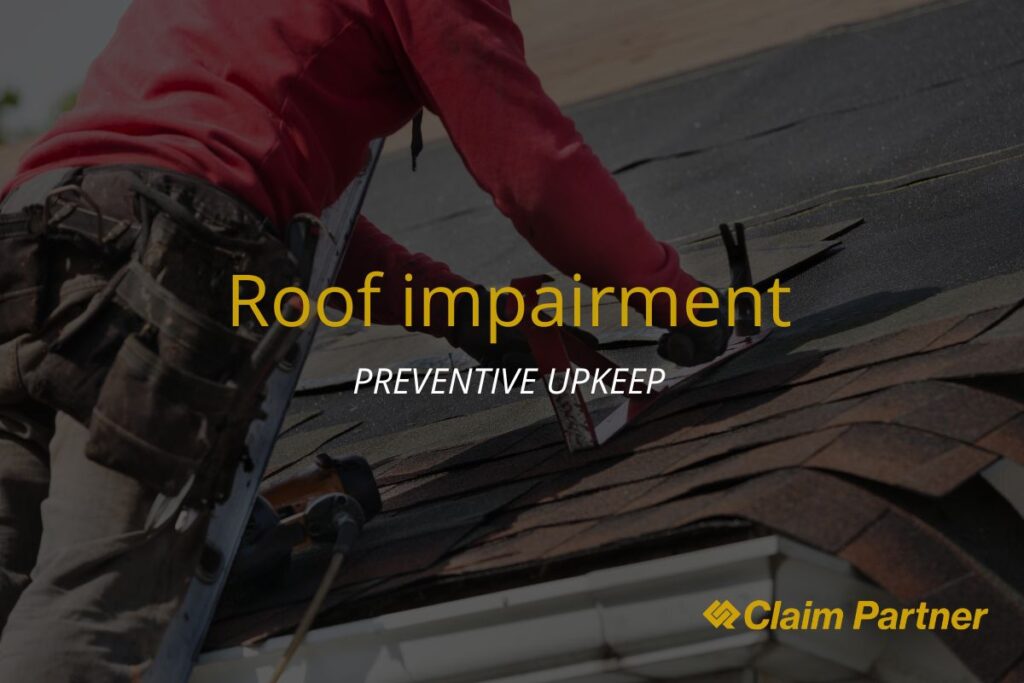
How long has it been since you last looked at your roof? Although you may not notice it every day, your roof is one of the most important structures in your home and one of the most vulnerable to damage. An annual inspection can prevent leaks, mold, structural damage, and even fires caused by faulty installations.
In this article, we’ll show you what you can check yourself, when you need professional help, and why it’s essential to be prepared before severe weather events strike.
Why inspect the roof every year?
Here are the main reasons not to wait any longer:
- The roof deteriorates over time due to sun, rain, wind, and hail.
- Minor repairs are much cheaper if detected early.
- If a storm hits and there were already problems, the insurance company may reject your claim.
- Some policies require proof of maintenance in order to accept a claim.
1. Annual review: what can you do?
There are some basic tasks that any homeowner can do without having to climb onto the roof:
From the ground:
- Check for loose, broken, or displaced tiles or sheets.
- Check for accumulated leaves, branches, or dirt.
- Look for areas with mold, moss, or dark spots that retain moisture.
- Check the condition of the gutters and downspouts. If there are obstructions, clean them out.
From the inside:
- Go up to the attic (if you have access) and check for moisture stains, bad odors, or leaks in the wood or insulation.
- Look for signs of poor ventilation or excessive heat buildup.
2. What jobs can you do on your own?
- Clean gutters and downspouts.
- Remove debris and leaves from the roof with a rake or long-handled broom.
- Apply products to remove mold or moss.
- Replace any broken tiles if you know how to do so safely.
If you don’t feel comfortable, have a physical or health impairment, or your roof is very high, it’s best to leave it to the experts.
3. When to hire professional services?
There are situations that require trained technicians:
- Cracked or missing tiles.
- Loose or damaged flashings (seals around chimneys or windows).
- Soft spots or active leaks.
- Mold stains inside the roof or attic.
- Visible damage after a storm.
A professional will not only detect problems, but can also issue a technical report that is valid for insurance claims.
4. What if there is already damage?
Act quickly. If there are already leaks or signs of wear and tear, follow these steps:
- Take clear photos from different angles.
- Document the date you discovered the damage.
- Call a professional for an inspection.
- Assess whether it is possible to file a home insurance claim.
Remember: the sooner you take action, the less you will pay for major repairs.
5. Preventive inspection before hurricane season
If you live in areas such as Florida, where hurricanes are common, it is essential to carry out this inspection before the peak season (June to November).
A preventive inspection allows you to:
- Strengthen the structure if there are loose parts.
- Reinforce vulnerable seals and tiles.
- Have evidence of the previous condition of your roof, in case you need to file an insurance claim later.
Frequently asked questions:
- How often should I inspect my roof?
At least once a year. Also after severe storms or high winds. - How much does a professional inspection cost?
It depends on the size of the roof, but it can range from $100 to $500. Some repair companies offer free inspections if you hire them for the job. - Does insurance cover leaks due to wear and tear?
No. It generally only covers sudden damage caused by external events (storms, hail, falling objects). Wear and tear due to lack of maintenance is usually excluded. - What happens if I don’t check my roof on time?
You may face leaks, mold, increased energy consumption, and if you file an insurance claim, they may reject your case for “negligence in maintenance.”
Do you need help with the inspection?
At The Claim Partner, we have experts who can help you assess the damage and prepare a comprehensive technical report. Plus, if you need to file a claim, we will guide you through the entire process.
Don’t wait for a leak to appear. Preventing damage today can save you thousands of dollars tomorrow.
Contact us for a professional inspection and personalized advice.
You may also be interested in:
- 10 preventive maintenance tasks for homes that you should do before it’s too late
- How to detect water leaks in your home and prevent major damage
- Is your home ready for hurricane season? Checklist to review point by point