
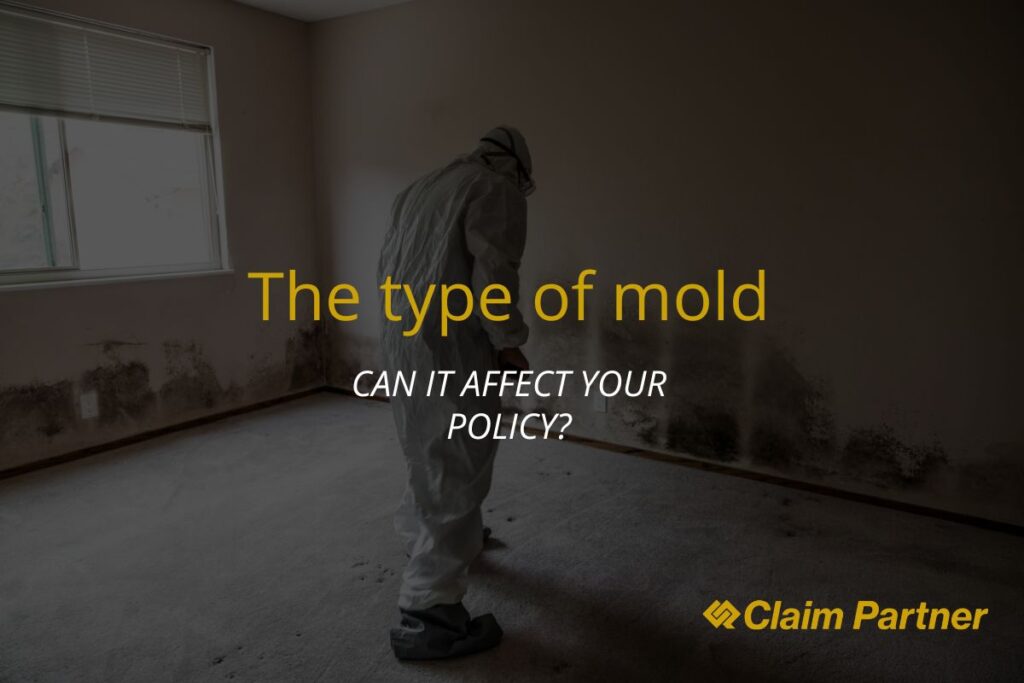
Did you know that the type of mold that appears in your home can affect your insurance claim? Many homeowners discover too late that not all mold damage is covered. So, if you are considering filing a home insurance claim, you need to understand how mold affects it… and what you can do to protect yourself.
What type of mold do you have in your home?
Although there are many types of mold, the two most common in homes are:
- Black mold (Stachybotrys chartarum): this is the most feared due to its potential health effects. It appears in areas with persistent moisture and porous materials.
- Green or gray mold: less toxic, but equally harmful to structures and materials.
In terms of insurance, both are treated the same: as mold. What really matters is not its color, but what caused it.
What does your policy normally cover?
Your home insurance may cover mold damage only if it is the result of a sudden and accidental event, such as:
- A broken pipe
- Damage caused by using water to extinguish a fire
- Water ingress caused by a storm or a tree damaging the roof
In such cases, mold is considered secondary damage that is covered. However, many policies impose coverage limits or require additional clauses to cover this type of claim.
And when is it not covered?
Your home insurance claim may be rejected if:
- The mold developed due to lack of maintenance, such as unattended leaks or inadequate ventilation.
- The damage was caused by flooding, unless you have separate flood insurance.
- You did not act in time to prevent the mold from spreading.
Insurers often consider these scenarios to be negligence on the part of the owner, which voids coverage.
Does it matter if it’s black or green mold?
From an insurance standpoint, the color of the mold does not matter, but it does affect the cost of cleaning. Black mold, due to its potential danger, may require:
- Protective equipment
- Stricter remediation protocols
- Certified companies to remove it
This can increase the costs of the claim. That is why it is vital that the type of mold and its cause are properly documented from the outset.
How to file a successful mold claim
To increase the chances of your home insurance claim being approved:
- Identify and document the cause of the mold: photos, videos, technical reports.
- Check your policy: look for exclusions and coverage limits.
- Act quickly: file the claim as soon as you notice the damage.
- Avoid cleaning the mold without prior evidence: you may remove crucial evidence.
- Seek professional help: a public adjuster can make all the difference.
What if you are unsure of the type of mold or the cause?
At The Claim Partner, we have partners and professionals who can help you inspect the area, determine the type of mold and its source, and give you the right recommendations before starting cleaning or repairs. That way, you won’t miss out on claiming what you’re entitled to.
Can we help you with your case?
If you are dealing with mold in your home, you are not alone. Our team of public adjusters will accompany you every step of the way with your claim, from the initial inspection to negotiations with the insurance company.
Schedule a free evaluation and avoid mistakes that could cost you your coverage.